Baja SAE powertrain

Module

Project

Line Pen

Client

Line Pen

Date

Service

Brand Identity
The Project

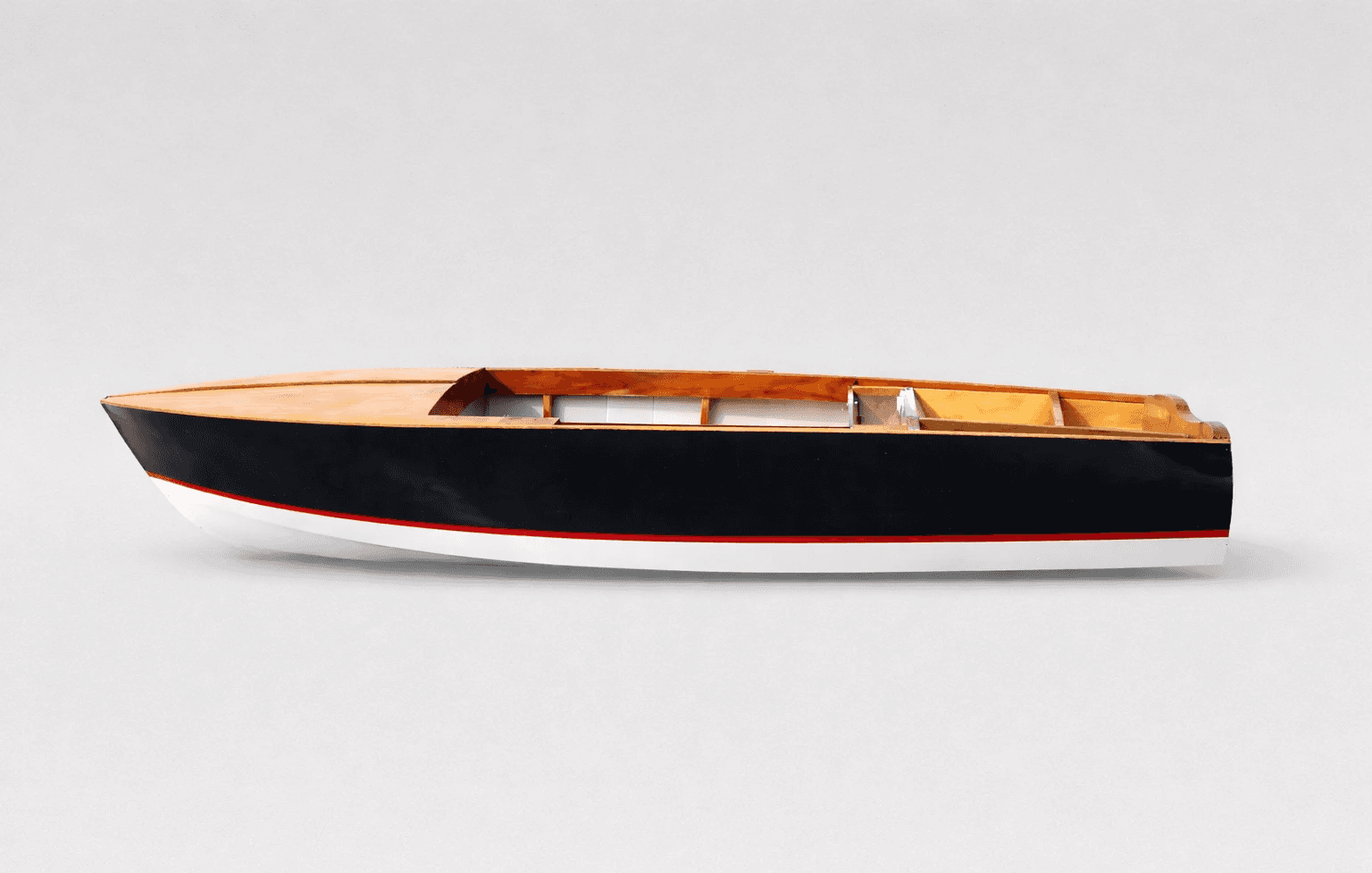
A 17-FOOT MAHOGANY RUNABOUT ADAPTING 1950S HULL FORMS AND CONSTRUCTION METHODS TO MODERN PERFORMANCE REQUIREMENTS USING CONTEMPORARY MANUFACTURING TECHNIQUES.

Super minimal notion creator template. Designed with a focus on clarity and ease of use, this template provides users with a crisp and uncluttered workspace where creativity can thrive.

Project Overview

This project focused on the design and validation of a lightweight bicycle brake caliper developed to meet ISO 4210 braking requirements. The goal was to balance braking performance, stiffness, weight, and manufacturability while working within fixed mounting geometry and safety constraints.

Skills Strengthened

  • Mechanical CAD Modeling

  • Structural Analysis (Hand Calculations + FEA)

  • Load Path Evaluation

  • Design Iteration and Validation

  • Design for Manufacturability

Modeling

The design process began by defining key constraints such as mounting geometry, cable routing, braking force requirements, and allowable deflection at the brake pads. Initial CAD concepts were intentionally conservative, prioritizing stiffness and structural reliability to better understand force transmission through the caliper.


From these early models, geometry was refined to improve load paths and reduce unnecessary material while maintaining functional clearances and compatibility with standard bicycle components.

Analysis

Hand calculations were used to estimate braking forces, reaction loads, and expected deflection, providing a baseline for validating simulation results. Finite Element Analysis was then performed to evaluate stress distribution and stiffness under worst-case braking scenarios.


Stress and deflection results guided iterative geometry changes, including material removal in low-stress regions and reinforcement of critical load-bearing features. Later iterations revealed a buckling failure mode not fully captured by stress-based analysis alone, reinforcing the importance of considering instability alongside strength during design.

Iteration and Manufacturability

Design iterations were informed by both analysis and physical testing, leading to improvements in stiffness-to-weight efficiency and force transmission. Manufacturing feasibility was evaluated across multiple production methods, including die casting, forging with CNC finishing, and metal additive manufacturing. These considerations influenced wall thickness, fillet radii, and overall geometry.

Outcome

The final design achieved improved braking performance and reduced mass compared to early concepts while remaining adaptable to different manufacturing approaches. The project reinforced an iterative design process grounded in analysis, validation, and real-world constraints.

Project Overview

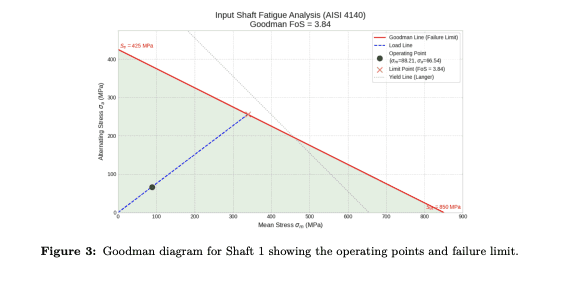
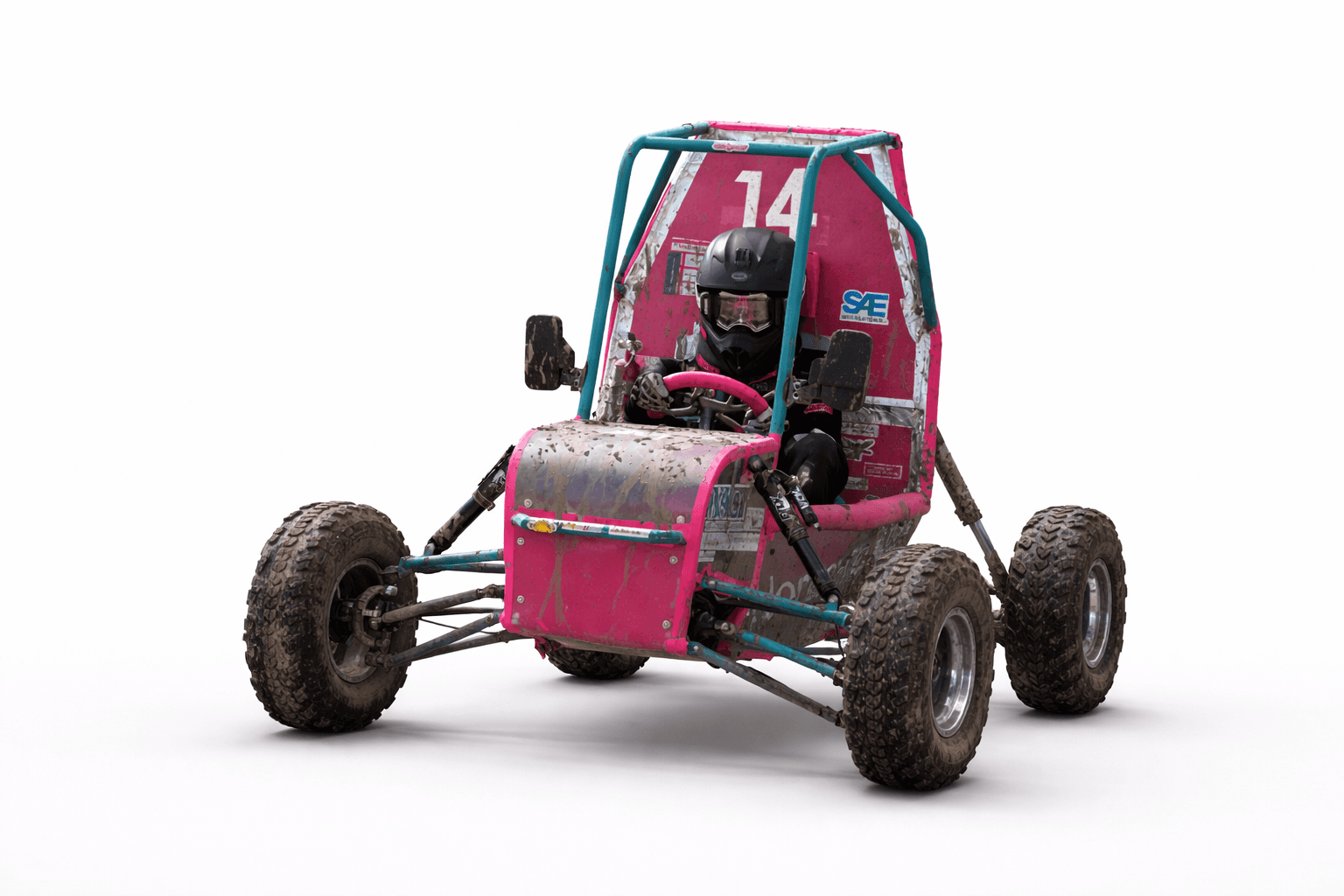
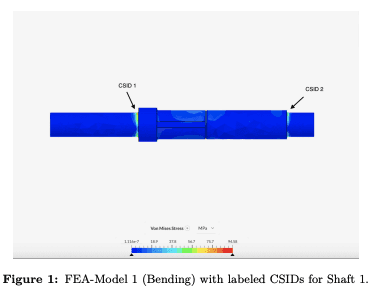
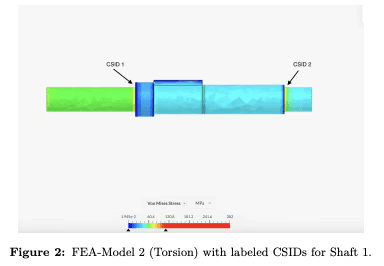
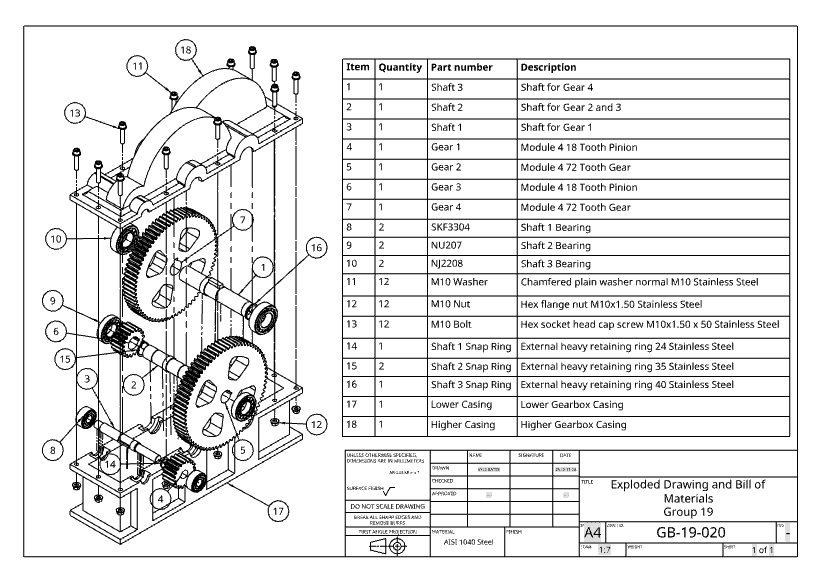
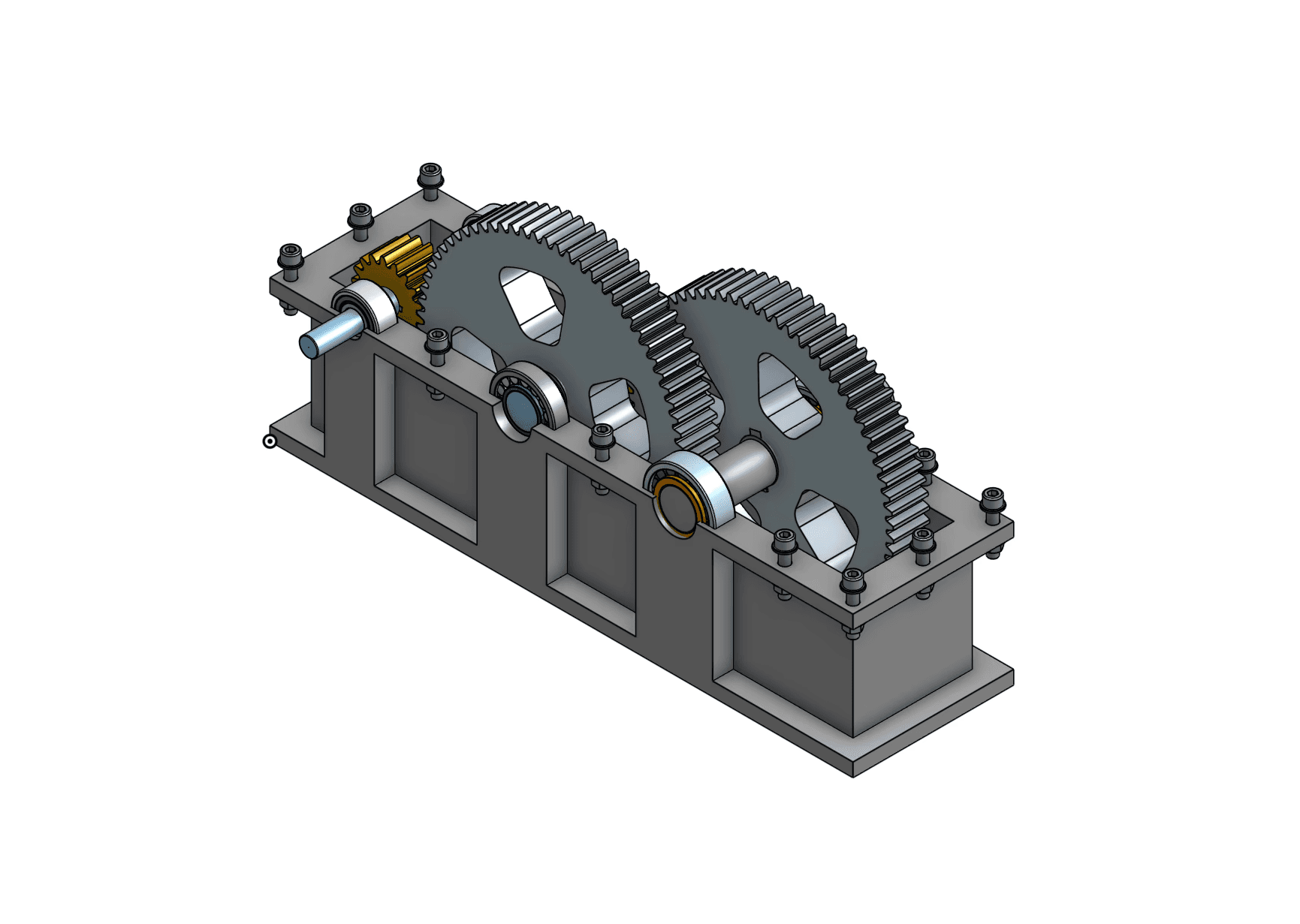
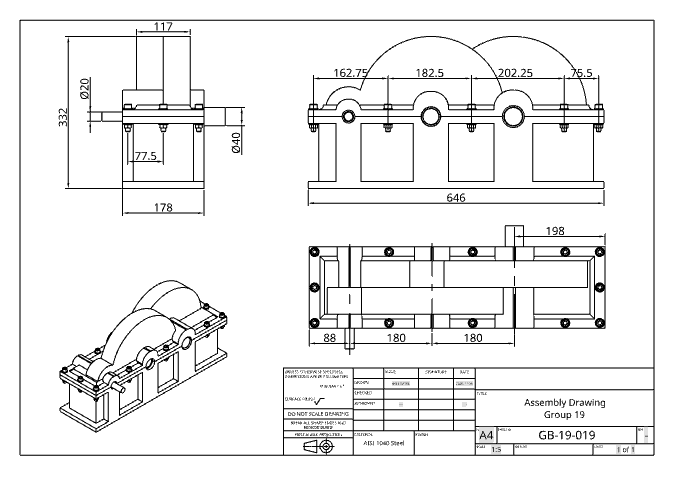
As part of the Baja SAE team, I worked on the design and integration of the vehicle’s powertrain system under demanding off-road conditions. My responsibilities included drivetrain layout, shaft geometry, and the design of torque-transmitting couplings within tight packaging and alignment constraints.


In addition to design work, I supported manufacturing across multiple components using manual mills, lathes, and CNC machining, translating CAD geometry into physical parts under real fabrication constraints.

Skills Strengthened

  • Mechanical coupling design for torque transmission

  • Tolerance stack-up and alignment analysis

  • Lathe, mill, and CNC machining

  • Design-for-manufacturability under time constraints

  • Interface control and revision management

  • System-level drivetrain integration
Outcome

Designing couplings made it clear how sensitive rotating systems are to alignment, tolerance stack-up, and revision control. These components served as critical interfaces between shafts, bearings, and drivetrain elements, and even small dimensional changes had cascading effects across the system.


One of the most important lessons from this project was the role of communication between design and manufacturing. In several cases, late-stage shaft updates were not clearly communicated before couplers were fabricated, resulting in mismatched components during assembly. The rework that followed reinforced that parts cannot be treated as isolated pieces. Each component is tightly coupled to others, and small changes propagate quickly.


Participating directly in machining strengthened this understanding. Manufacturing parts myself exposed the realities of tool access, setup constraints, and tolerance control that are easy to overlook in CAD. Seeing how design intent translates into physical components changed how I approach interface design and revision management.


This project reshaped how I think about engineering work. Documentation, version control, and cross-functional coordination are not secondary tasks. They are essential to ensuring that complex mechanical systems come together correctly the first time.

Related projects
CUTTING BOARD

CUTTING BOARD

Wakesurf Board

Wakesurf Board

Design works by Jackson Adams

Jacksonadams@u.northwestern.edu

Chicago, CST 5+ 12:30

Design works by Jackson Adams

Jacksonadams@u.northwestern.edu

Chicago, CST 5+ 12:30

Design works by Jackson Adams

Jacksonadams@u.northwestern.edu

Chicago, CST 5+ 12:30